

Personally, using AI for work has been a slippery slope. From late 2023 to early 2024, I mainly used it for coding (even though it was quite bad at it), email drafts and as a Google alternative.
But as AI got better, and out of habit too, I started using it more and more for tasks such as planning marketing experiments, pricing and deciding what to build next, slowly outsourcing my thinking. I mean pre-AI, I would just google something, watch a few YouTube videos and do what they advised me to, right? Isn’t this the same thing? So I started using it for strategy and planning, the more important stuff, and relying on the AI’s reasoning.
I think this is especially true for young professionals. We need AI to keep up with the pace of work, but we haven’t built up the on-the-job knowledge to actually use it as leverage.
AI in 2024 was at best a helpful assistant. It has since progressed and gotten closer to a point where it’s a solid sparring partner. But it hasn’t reached the point where it’s an expert and can guide you perfectly.
I think what’s important to understand is humans are quite complex. Most tasks are not quite as simple as getting from point A to point B like a GPS route. You can call this a “context” issue. AI can’t fully grasp our goals, emotions and circumstances, so it can’t guide us well.
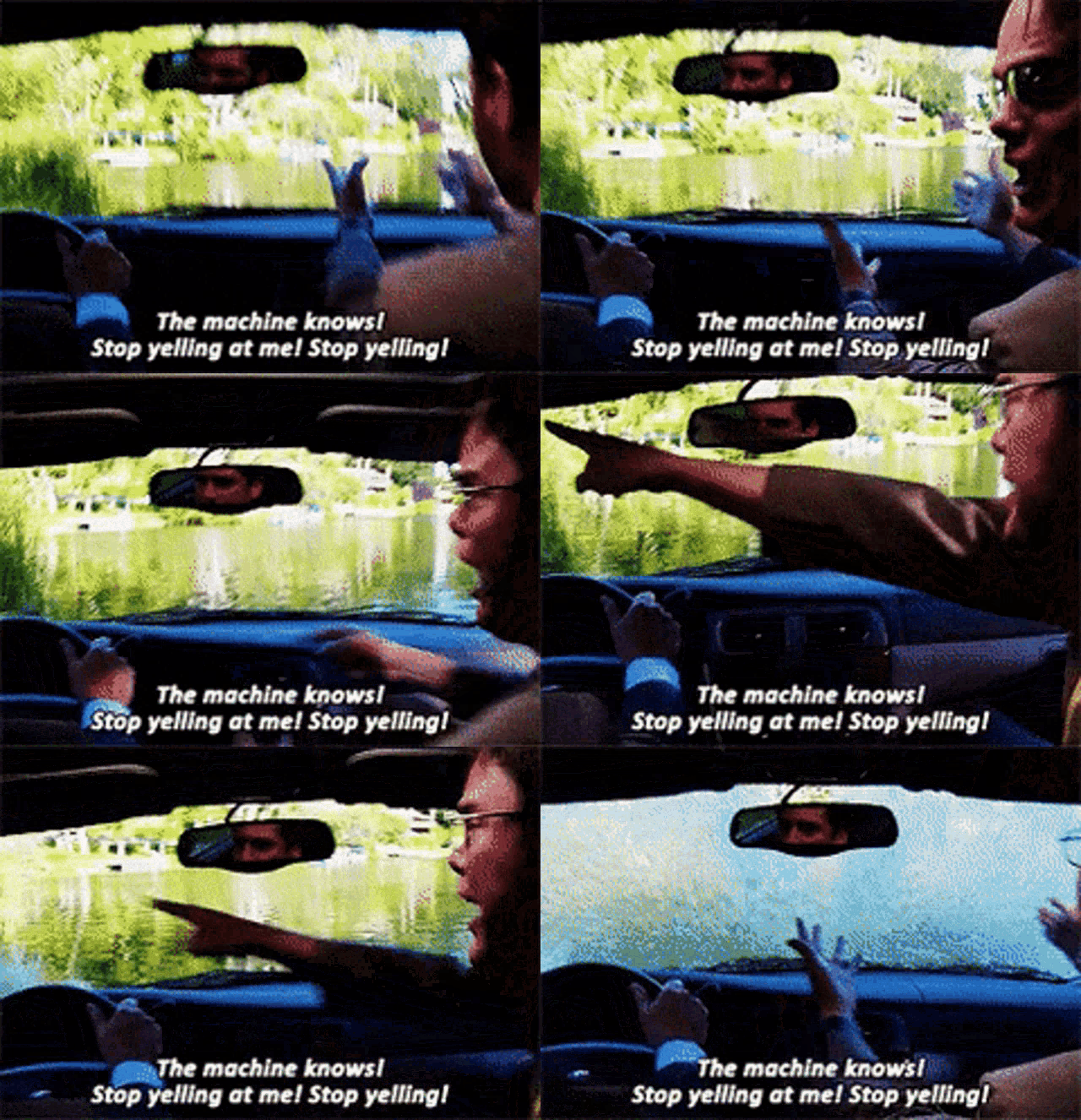
Let me give an example. In my previous startup we were publishing digital worksheets and the goal was simple: increase usage. Pretty straightforward goal, right? I thought so too. This was early 2026 and Claude Code was getting seriously impressive. I was juggling multiple roles (i.e. busy like everyone), and thought if I created a specific folder (think project) in Claude with all the relevant context, some guiding principles and the goal to increase usage, Claude would handle it, right? I wouldn’t need to be too involved and could stay away from the battlefield, and just call the shots from afar: usage goes up, the startup takes off, we get rich.
Well, what happened was every week, I would give Claude all the results (i.e. context) from that week’s changes and tell it to analyze them and guide next steps. Every week Claude was PASSIONATELY CONVINCED that we were making progress, learning something new and that this week’s change would be IT. I was in the back seat, convinced Claude knew what it was doing, and let it do what it was doing for a few weeks.
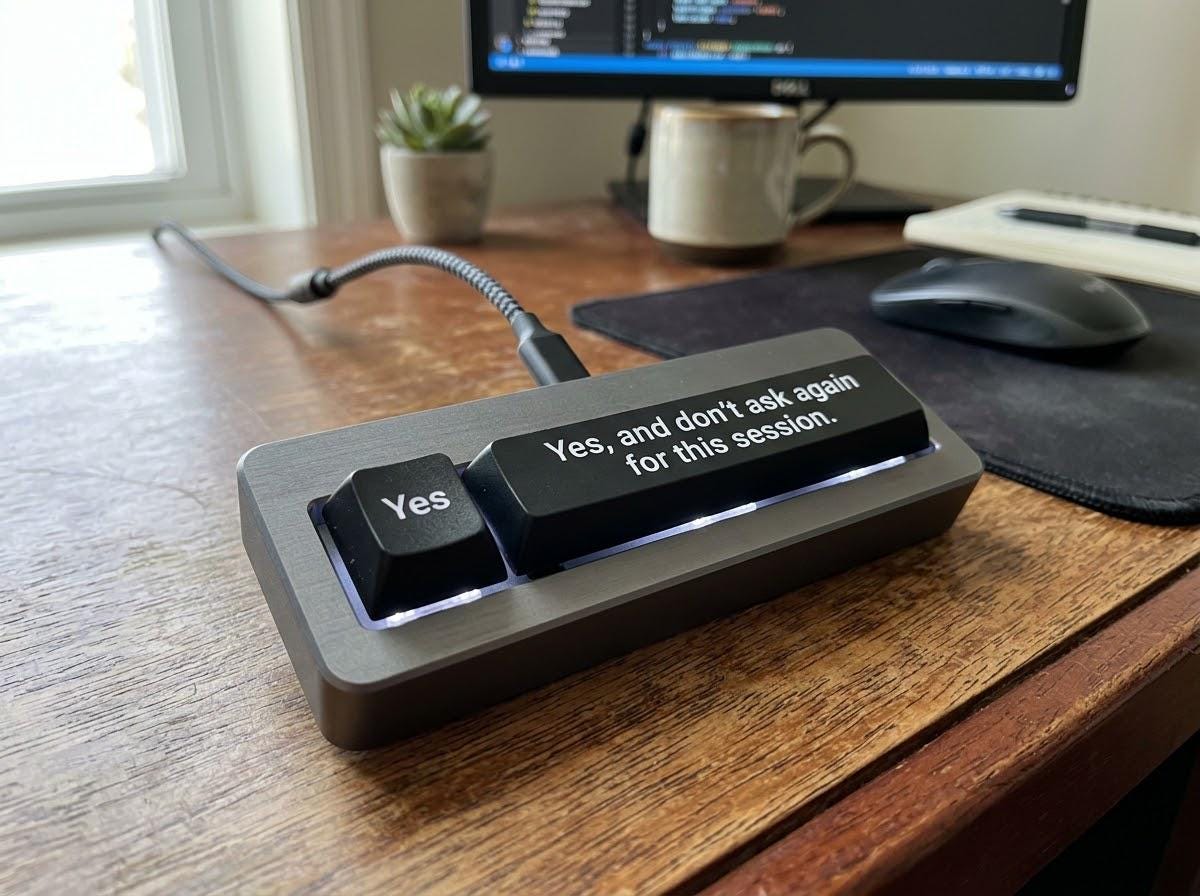
At one point I recall it recommending a change with the same intensity as the previous ones, but it was so ridiculous that it made me spit my metaphorical coffee out. I pushed back, but Claude had been brainwashed, of sorts, and wouldn’t back off. It kept insisting it was a good idea.
This was the heart-sinking moment when I realized I’d just wasted the last four weeks. I thought I was being ultra productive but it was just slop. Well, not AI slop in its common form, but a more polished version: intellectual slop. Slop might be too harsh of a word, as it was genuinely trying to hit the usage goal. But it didn’t have the bigger layer of context: knowing when to call it quits, when the results weren’t meaningful enough, or when the goal itself needed a fundamental change. And that’s the difference from googling, right? The person in the YouTube video has actually done the thing, and knows when to stop.
The same logic applies to improving landing pages, writing a “good” cold email or even building a fat-loss plan. If you don’t have the domain knowledge and just rely on AI for the thinking, you won’t get far. You will be running on a treadmill with the illusion of getting somewhere.

So what should you do instead?
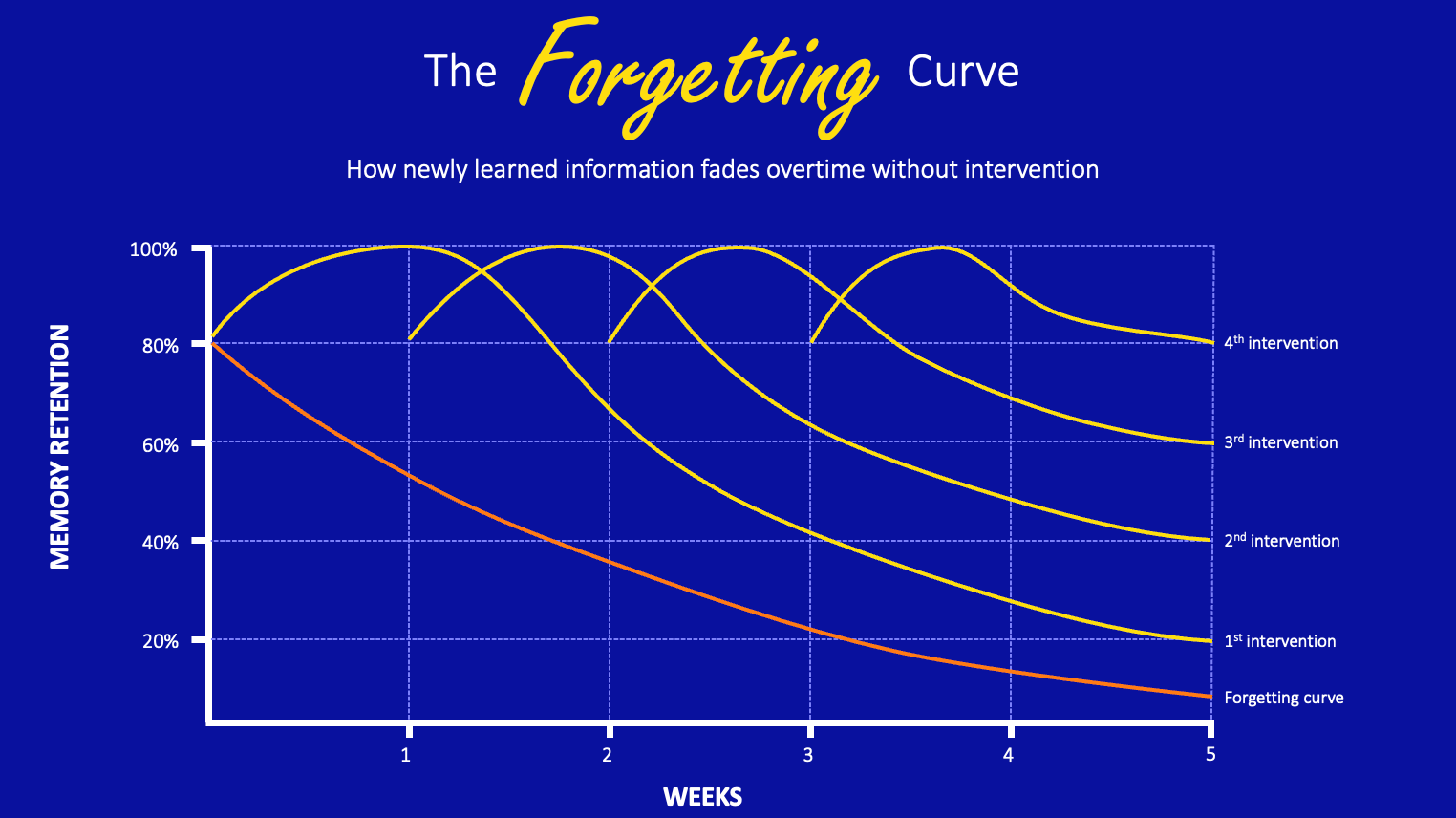
In my experience, the quickest way to get over this is to just acquire that knowledge firsthand. The best way to do that is good content. For the business world, this was YC articles, videos from credible people and last but not least: books. Reading a relevant book from an expert on a topic, absorbing the information in a way that works for you (I take notes and apply spaced repetition), and THEN using AI, is an insane multiplier.
You will be SO much more productive and efficient in reaching your goal. Some of you might have rolled your eyes when I said acquiring the knowledge firsthand, given that we’re in the age of voice dictating to our AIs and clicking enter, but it’s actually not that time intensive. Once you get over the hump of closing your AI app and picking up a book, it only takes like 5-6 hours to read most books. That’s 30 minutes a day for 10 days or so. Don’t forget to take notes or do whatever you need to do to actually remember the information you read. The return on your time spent reading will go materially down if you don’t absorb that info.
Once you have that knowledge, you will be able to jump past any bad ideas that the AI throws at you, have a better idea of what’s worth doing in the first place and have a granular understanding of the roadblocks you hit. You will also feel much better, as one does when they take control of their life lol.
Good luck :)
How are you using AI?
Comment below and let me know. Alternatively, come chat with me.